Pakistan is the sole active mediating channel between Washington and Tehran on the nuclear file. The Iranian response to the US proposal Trump rejected as “totally unacceptable” on May 10 was delivered via Pakistani mediators. Reuters reported May 18 that Pakistan has also deployed approximately 8,000 troops, a squadron of 16 JF-17 fighters, two drone squadrons, and Chinese-built HQ-9 air defense systems to Saudi Arabia under the Strategic Mutual Defence Agreement signed September 17, 2025. The confidential agreement reportedly allows expansion to 80,000 personnel if Saudi territory comes under further attack. Interior Minister Mohsin Naqvi has made two trips to Tehran in less than a week.
These are not parallel files. They cross at the first kinetic test, and Islamabad has not publicly acknowledged the crossing.
Pakistan’s mediating credibility depends on the absence of kinetic exposure to either party. The Saudi deployment removes that absence. The equipment is operated by Pakistani personnel and financed by Riyadh, concentrated in the Eastern Province where Saudi oil infrastructure sits. Any Iranian strike on Saudi airspace, energy facilities, or US assets staged from Saudi soil places Pakistani-operated HQ-9 systems and JF-17 sorties in direct contact with Iranian platforms. The mediator becomes a belligerent at the moment of contact, and the only diplomatic pipeline currently connecting Washington and Tehran terminates at that same moment.
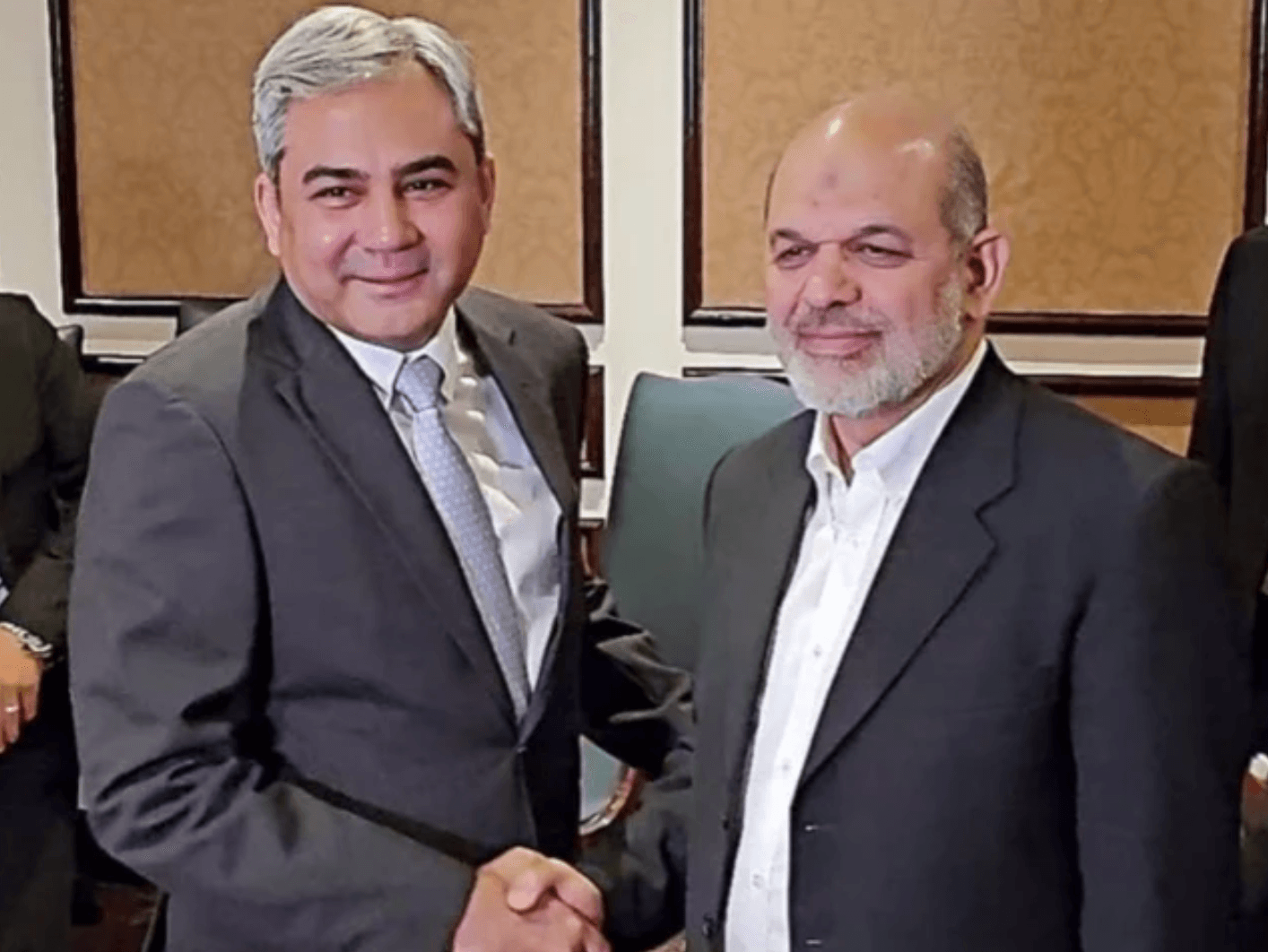
Naqvi met IRGC commander Gen. Ahmad Vahidi during his second Tehran visit on May 20. Iran continues routing its written responses through Islamabad rather than any Gulf intermediary. Riyadh is reading the same signal in the opposite direction.
The verification gap that matters is whether the State Department or Pakistani foreign ministry has internally acknowledged the structural conflict, and whether either capital has a contingency for the channel collapsing on first contact.