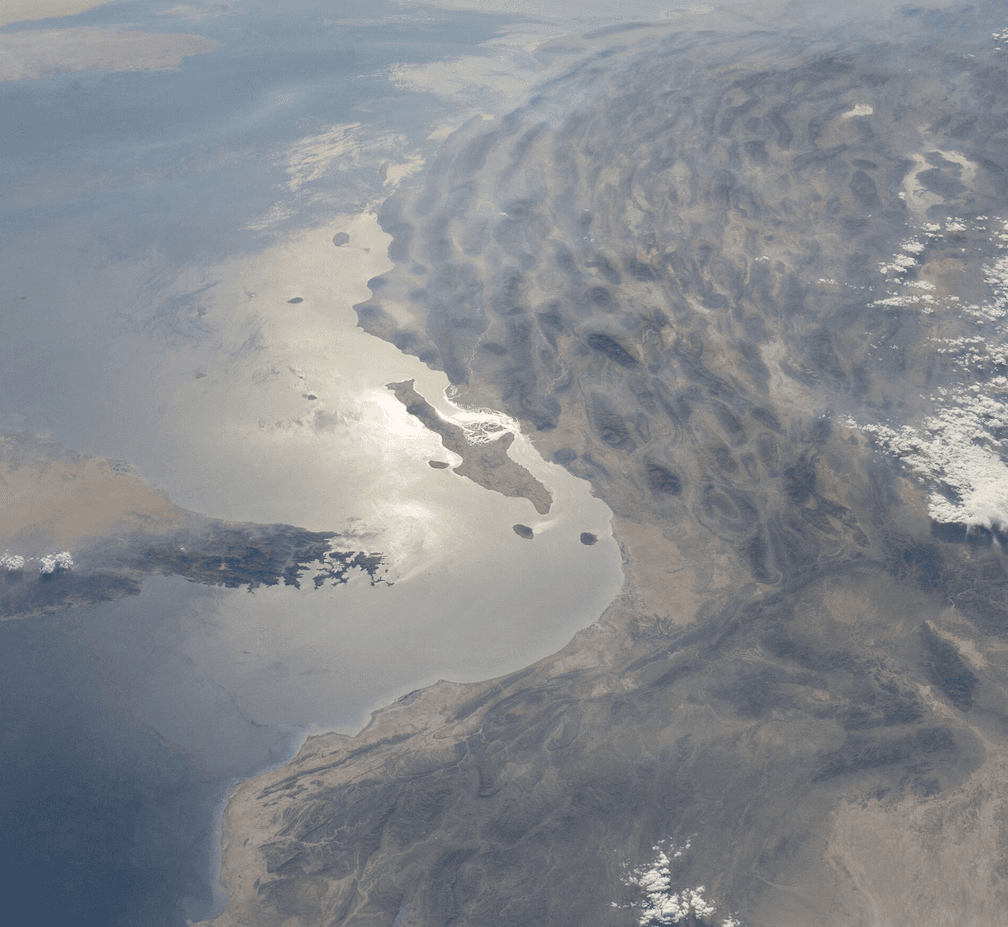
More than three months after maritime traffic through the Strait of Hormuz collapsed on February 28, fertilizer cargoes remain stranded in the Persian Gulf and food shipments into the region’s ports have been choked to a fraction of normal volume. Kpler and Bloomberg ship-tracking placed 44 fertilizer-laden vessels stuck inside the Gulf by late April, against a chokepoint that normally carries close to one-third of all globally traded fertilizer, three to four million tonnes a month on the Kpler estimate.
The damage is no longer a shipping problem. Fertilizer that does not reach a field inside its planting window does not arrive late. It does not arrive at all, and the loss is already written into a harvest that comes months from now. The strait can reopen tomorrow without reversing any of it.
The Gulf states astride the chokepoint import up to 85 percent of their food, on World Economic Forum figures cited by S&P Global, and Kpler reported the closure cut container and food supply into Jebel Ali and Khalifa Port for a population above 50 million, against food reserves estimated at three to six months. Downstream, the FAO has named Sri Lanka, Bangladesh, India and Egypt as most exposed, each on a different crop calendar, so the shortfall lands on a rolling schedule rather than as one shock. Agronomically, a farmer who applies half the recommended nitrogen does not lose half the yield. The loss runs worse, so rationed inputs become outsized crop losses that carry past the 2026 harvest.
Vessels have begun slipping through the strait again this past week, aided by U.S. Navy routing near the Omani coast rather than any formal escort. Kpler expects grain trade to snap back once the lane clears. Fertilizer will not, because the loss is already in the crop. What to watch is not the transit count through Hormuz. It is the yield that prints at harvest.